Beginning with Casino Loss Limits
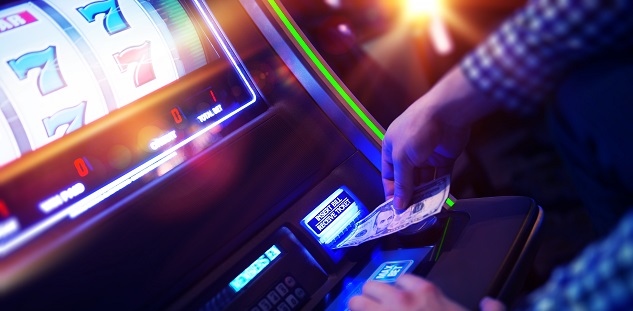
I still think back to the initial time I established a loss limit on my Aphrodite Casino protection des joueurs account. It seemed like a tiny administrative checkbox, but it ended up altering the whole nature of my evenings. I quit chasing losses and waking up with that hollow, sinking regret. Instead, I began managing my gaming budget the same manner I handle a concert ticket or a nice dinner out. Once the money was spent, the night was finished, and I stepped away without a knot in my stomach. Loss limits are not about draining the fun out of your hobby. They’re about maintaining the fun safe. Across Belgium, more players are finding that these tools provide them with genuine peace of mind, and I aim to guide you through exactly how they function and why they matter.
Deposit Caps and Self-Exclusion: Understanding the Difference
Spending limits and self-exclusion serve various purposes, and I believe it’s crucial to differentiate them clearly. A spending limit is a control tool for gamblers who desire to keep playing but within regulated limits. Voluntary ban is a more comprehensive action for users who’ve chosen to cease betting completely for a defined duration, extending from six months to several years or even indefinitely. At Aphrodite Casino, account suspension prevents all access to your membership, excludes you from promotional materials, and stops you from creating new memberships. It’s a total wall, not a limiter. Loss limits, by comparison, allow continued gaming but having a financial maximum that you set.
In Belgium, the self-exclusion system EPIS delivers an extra layer that applies over various platforms, not simply one website. I reference this because some users commence with deposit caps and eventually recognize they need stronger action. That development is typical and should carry no embarrassment. Loss limits can serve as an early alert mechanism. If you discover yourself constantly irritated by your ceiling, persistently seeking to raise it, or sensing real anguish when it activates, those are signals that self-exclusion may be a more suitable solution for your present circumstances. The responsible betting system at Aphrodite Casino features both alternatives specifically because distinct levels of gambler awareness require various tiers of assistance.
Typical Pitfalls When First Using Loss Limits
When I initially began using loss limits, I committed several errors that I now see echoed by other players exploring these tools. The most typical mistake is setting the limit too high out of a wish to avoid ever actually hitting it. A limit that you never hit isn’t acting as a safety tool. It’s just a psychological ornament. The limit should be placed at a level where you’ll occasionally run into it, because those experiences are the instances where the tool proves its value. If six months go by and you’ve never once seen the limit notification, your limit is most likely set above your natural stopping point. Consider lowering it to a level that delivers genuine protection.
Another frequent error relates to setting limits only after a bad experience. I get the impulse. You wake up after losing more than you expected, feel a surge of commitment, and immediately apply a strict limit. The problem is that limits set in reaction to pain often feel punitive, and you’re more likely to resist and remove them once the memory of the pain diminishes. The better approach is to set limits during a calm, neutral period when you’re not emotionally stirred about gambling at all. Here are some perfect moments to establish or review your limits:
- Right after creating your account, before you make your first deposit. This sets limits as a default part of your configuration, not a reaction to problems.
- During your monthly budget assessment, when you’re already considering about entertainment allocations across all categories.
- After a winning session, when you feel positive about the activity and can make decisions from a state of contentment rather than panic.
- On a quiet Sunday afternoon with no gaming scheduled, when your mind is focused and you can think rationally about your long-term welfare.
I also see players forget that loss limits apply to net losses, not just deposits. If you deposit fifty euros, win two hundred, and then lose two hundred and fifty, your net loss is fifty euros. If your limit was set at fifty, you’ll hit it even though you only ever deposited fifty. This scenario catches off guard people who thought their deposit amount was their maximum liability. Grasping the net calculation assists you set limits that cover the full spectrum of possible results, including the dangerous scenario where early wins enable larger subsequent losses.
In what manner Loss Limits Preserve Your Enduring Relationship with Gaming
I’ve noticed that players who use loss limits regularly tend to sustain a more beneficial, more sustainable relationship with casino gaming over years rather than months. Without limits, the natural variance of gambling certainly produces intense experiences. You’ll have nights where you lose far more than you intended, and those nights create financial stress that can harm your enjoyment of the activity for weeks afterward. You might also have big wins that increase your confidence and lead to even larger subsequent losses. Loss limits smooth out these extremes. They restrict the downside while leaving the upside open, which is an asymmetrical protection that costs you nothing in terms of potential enjoyment.
Over time, this consistency develops trust with yourself. You learn that you can interact with casino games without waking up to unpleasant surprises. That trust makes the activity less stressful and more genuinely recreational. I’ve talked with long-time Aphrodite Casino players in Ghent and Liège who have used loss limits for years, and they portray their gaming as a consistent, predictable hobby rather than a source of intermittent crisis. They budget their monthly entertainment budget, determine their limits accordingly, and never have to have difficult conversations with partners or family about unexpected losses. That consistency is, in my view, the ultimate benefit of the entire responsible gambling toolkit.
Grasping the Waiting Period When Modifying Limits
One aspect that surprised when I first looked into responsible gambling tools was the cooling-off mechanism embedded in limit adjustments. At Aphrodite Casino, if you opt to boost or cancel a loss limit, the change doesn’t go into effect right away. There’s a required waiting period, usually twenty-four hours for increases and longer for full removal. This isn’t a punishment or a sign that the casino doubts you. It’s a measure against impulsive decisions carried out in the heat of the moment. I’ve learned to appreciate this delay because it compels a night of sleep between the inclination to raise your limit and the actual capability to do so. In my opinion, that single night is often enough for the rational brain to reestablish itself.
The cooling-off period also protects you from a specific vulnerability that many players ignore. After a significant loss, the urge to immediately raise your limit and recover that money back can be overwhelming. Without a cooling-off delay, the tool you established to protect yourself could be disabled in seconds during your weakest moment. The mandatory wait forms a buffer zone where the emotional storm can dissipate. By the time the increase becomes active, you’ve had time to consider on whether you wish to assign more money to gambling or whether you were just reacting to a temporary annoyance. I regard this cooling-off feature one of the most thoughtfully designed pieces of the entire responsible gambling framework.
How to Configure Your Very First Loss Limit at Aphrodite Casino
I intend to make this process as concrete as possible because the initial step is always the hardest. At Aphrodite Casino, the responsible gambling section is located right in your account dashboard, and you do not need to contact customer support to activate basic limits. You’ll discover options for daily, weekly, and monthly loss limits. I highly recommend starting with a weekly limit if you play regularly. A daily limit can seem too restrictive if you have one longer weekend session, while a monthly limit might appear too distant to give you meaningful feedback. The weekly timeframe fits most people’s natural rhythm of work and leisure. You get a fresh reset every Monday while still protecting any single session from spiraling.
When you’re selecting the actual euro amount, I recommend a simple exercise. Review your discretionary entertainment spending over the past three months, excluding essentials. What did you allocate on restaurants, concerts, streaming services, and hobbies? Your weekly loss limit should fall comfortably inside that category, not blow past it. If you spend fifty euros a week on average for all entertainment, a twenty-euro loss limit provides room for other activities while still giving you meaningful play time. The key is that reaching the limit should be like finishing a nice meal, not like crashing a car. If the number makes you nervous just thinking about it, lower it until it becomes genuinely comfortable. You can always adjust upward later, but a cooling-off period will apply.
What Happens When You Actually Hit Your Loss Limit
The initial time you hit a loss limit can feel shocking, so I want to prime you for the event. When your net losses attain the threshold you set, Aphrodite Casino promptly prevents you from putting further bets or carrying out additional deposits. You’ll generally see a obvious on-screen message explaining that your limit has been hit and stating when it will reset. You can still log into your account, withdraw any remaining balance, and access customer support, but the gaming functions become briefly unavailable. The system doesn’t scold you or make you feel like you did something wrong. It simply enforces the boundary you created, objectively and steadily.
I’ve discovered that the emotional reaction to hitting a limit depends strongly on how you frame it beforehand. If you view the limit as a failure point, hitting it will feel like a failure. But if you recast it as a completion point, like completing a meal or arriving at the end of a movie, the experience becomes neutral or even positive. You set a budget, you used it entirely, and now the activity is complete. I urge Belgian players to apply this reframing consistently. When the limit message appears, take a deep breath, acknowledge that your pre-planned entertainment has ended, and shift your attention to something else entirely. Go for a walk, call a friend, or watch a show. The reset will come soon enough, and you’ll return with a fresh perspective and a clean slate.
Merging Loss Limits with Reality Checks
Loss limits operate even more efficiently when you pair them with reality check notifications. A reality check is a pop-up reminder that appears at intervals you choose, typically every thirty, sixty, or ninety minutes. It presents you how long you’ve been playing and your net result for that session. I configure mine to sixty minutes. That’s frequent enough to break any trance-like state but not so common that it becomes an annoyance. When the reality check shows up, I view my current loss or win amount displayed clearly, and I can contrast it against my preset loss limit. This midpoint awareness often prompts me to end a session voluntarily before the hard limit ever kicks in. That feels more empowering than being automatically blocked.
In Belgium, where responsible gambling tools are integrated into the licensed platform experience by default, combining these two features establishes a comprehensive safety net. The reality check keeps you cognitively engaged with your spending in real time, while the loss limit stands as the ultimate backstop if awareness alone isn’t enough. I view of it like driving a car. The reality check is your dashboard and mirrors, providing you constant feedback. The loss limit is the airbag that releases only if things go wrong. You wish you never need the airbag, but you’re profoundly grateful it is there. Together, they transform gambling from a potentially mindless activity into a conscious, bounded form of entertainment.
Why Belgian Players Need to Care About Loss Limits
Belgium maintains a strictly supervised online gaming setting, and the Belgian Gaming Commission requires operators to deliver responsible gambling tools as a mandatory feature. That means when you play at a regulated platform like Aphrodite Casino, you’re not just receiving an extra extra. You’re using a statutory safety mechanism. I admire this regulatory framework because it standardizes the whole discussion around limits. In Belgium, establishing a loss limit isn’t regarded as a red flag or a sign of weakness. It’s viewed as a responsible, standard part of configuring your account, much like choosing a strong password or authenticating your identity. That cultural shift counts. It renders the tool far more accessible for casual players who might otherwise never try it.
Beyond the regulations, there’s a realistic financial reality that resonates with Belgian households. We tend to be prudent budgeters, and entertainment expenses are often scheduled in advance. A loss limit converts online casino play from an open-ended financial commitment into a foreseeable, limited leisure activity. I’ve spoken with players in Brussels and Antwerp who handle their monthly loss limit exactly like their restaurant budget or their cinema subscription. When the limit is reached, they merely move to another form of entertainment. This mindset prevents the slow drift of gambling spend into money designated for rent, groceries, or family activities. That’s where the real harm starts, and a loss limit stops it before it begins.
Instilling Responsible Practices to New Players in Belgium
I believe the Belgian gaming community has a genuine opportunity to standardize responsible gambling tools from the very first engagement a new player has with a platform. When I https://www.independent.co.uk/topic/national-lottery present friends to Aphrodite Casino, I guide them through the responsible gambling settings before we even examine the game lobby. I demonstrate where the loss limit controls are located, describe the cooling-off mechanism, and encourage them to set a modest weekly limit immediately. By establishing this the first action on a new account, we position limits as a standard part of the experience rather than an afterthought for people with problems. This proactive approach diminishes the stigma and boosts adoption rates dramatically.
New players often inquire what number to start with, and I always provide the same advice. Choose an amount you’d feel completely comfortable losing in a single evening out with friends. If that number is thirty euros, set your weekly loss limit to thirty euros. Play within that boundary for at least a month before contemplating any adjustment. This initial period demonstrates you what thirty euros of casino entertainment actually amounts to in terms of session length and excitement. Many new players realize that a modest limit provides plenty of enjoyment, and they never feel the need to increase it significantly. Others understand they want a bit more room and make a thoughtful upward adjustment after the cooling-off period. Either outcome is fine because the decision is made consciously.
The Psychological Benefits of Establishing Boundaries Ahead of You Play
I’ve observed that the most challenging moments in gambling take place during the game itself. They happen afterward, when you check your balance and recognize you crossed a line you never deliberately drew. Setting a loss limit eliminates that moment out entirely. You make the decision with a calm head, hours or days before you even open a game, and then you can play comfortably inside that protected container. The mental relief is direct and palpable. Instead of continually calculating whether you should stop, your brain can concentrate on the entertainment value of the game. You’re no longer a live financial manager. You’re just a person savoring a designed experience with a predetermined endpoint.

This preventive boundary-setting also reduces what psychologists call psychological dissonance around gambling. Numerous players like casino games but carry an undercurrent of guilt or anxiety about potential overspending. That internal conflict takes the fun right out of the activity. When you set a loss limit, you harmonize your actions with your values in advance. You’re fundamentally telling yourself, “I’m going to enjoy this up to a point I’ve already decided is appropriate, and then I’ll stop.” I find that this alignment removes the emotional hangover that sometimes comes after a gaming session. You wake up the next day aware exactly what happened, with no unexpected events and no guilt.
What Precisely Are Casino Loss Limits?
A loss limit is a ceiling you establish on the net amount of money you’re prepared to lose during a particular time window. When you activate one at Aphrodite Casino, the platform monitors your deposits minus your withdrawals over that session, day, week, or month. The moment you attain the number you picked, the system prevents any more deposits and prohibits you from placing additional wagers. It’s a hard stop, not a polite suggestion. I deem that distinction crucial because willpower alone gets weak when you’re engrossed in the heat of a game. The technical enforcement removes the burden of self-control off your shoulders and entrusts it to a neutral, automated system that doesn’t get fatigued, emotional, or impulsive.
Plenty of Belgian players mix up loss limits with deposit limits, but they perform different purposes. A deposit limit only limits the money coming in, which means you could still reinvest winnings and lose more than you originally anticipated. A loss limit examines the net result. Even if you score a big win early in the session, the tool blocks you from giving it all back and digging a deeper hole. I always advise combining both for layered protection, but if you had to pick one, the loss limit handles the emotional cycle of chasing losses more directly. It accepts that winning streaks can be just as dangerous as losing streaks when they tempt you into reckless reinvestment.
Determining Limits for Different Game Types
Not all casino games burn through your budget at the same rate, and I advise adjusting your loss limit strategy based on what you engage with most often. Slot machines typically have a high play rate with many spins per minute, indicating a modest loss limit can be reached quickly if you’re playing higher stakes. Table games like blackjack or roulette move more slowly, giving you more decision points and natural pauses. Live dealer games land somewhere in between, with a social rhythm that can either extend or compress your session depending on your engagement level. Recognizing these differences helps you to set a limit that provides a satisfying session length regardless of your game preference.
Here is a effective approach I use when calibrating limits for different game types:
- For high-speed slots, I set a lower daily loss limit because the rapid spin cycle can consume a budget faster than expected. I also activate more frequent reality checks, every thirty minutes instead of sixty.
- For table games and live dealer experiences, I permit a slightly higher limit because the slower pace gives me more time to think between decisions. The natural breaks in play act as built-in reality checks.
- For mixed sessions where I might switch between game types, I use a single weekly loss limit that covers all play. This prevents me from justifying overspending on slots by telling myself I’ll make it back at the blackjack table.
I also pay attention to the minimum bet sizes of the games I frequent. If your favorite slot requires a minimum spin of one euro and your loss limit is ten euros, you’ll get at most ten spins before the session ends. That might feel unsatisfying. Tweak either your game choice or your limit amount so that the math permits a reasonable play duration. The goal isn’t to wring every possible minute out of your budget. It’s to steer clear of setting a limit so tight that it creates frustration and entices you to remove it entirely.
FAQ
What exactly is the difference between a loss limit and a deposit limit?
A deposit limit restricts the total amount of money you can deposit into your casino account over a given period. A loss limit restricts your net losses, calculated as deposits minus withdrawals. The key difference is that a deposit limit cannot block you from losing winnings you’ve already built up, while a loss limit considers all money leaving your balance. I advise using both together for comprehensive protection, but a loss limit more directly handles the risk of chasing losses during a session.
Is it possible to change my loss limit immediately if I want to keep playing?
No, and that’s by design. At Aphrodite Casino, any request to increase or remove a loss limit activates a mandatory cooling-off period, typically twenty-four hours for increases and longer for full removal. This delay blocks impulsive decisions made during emotional moments after a loss. If you decrease your limit, the change usually takes effect immediately because stricter limits always pose less risk. The cooling-off mechanism is one of the most important safeguards in the entire responsible gambling system.
What happens when I hit my loss limit affect my account status or VIP level?
Hitting your loss limit has absolutely no negative impact on your account standing, loyalty points, or VIP progression. The limit is a tool you set for yourself, and reaching it simply means your pre-planned session has ended. The casino treats it as a neutral event. Your account remains in good standing, you keep all accumulated rewards, and your limit resets automatically at the end of the chosen period without any penalty or review process.
Are loss limits mandatory for Belgian players?
Loss limits are not mandatory by Belgian law in the sense that you must set one to play. However, the Belgian Gaming Commission requires all licensed operators, including Aphrodite Casino, to offer these tools prominently and make them easily accessible. The platform must provide the option and encourage its use, but the decision to activate a limit remains yours. I strongly recommend taking advantage of this regulatory requirement and setting limits as a standard part of your account setup.
What occurs to my remaining balance when I hit my loss limit?
When you reach your loss limit, you are unable to place further bets or initiate new deposits, but your remaining account balance is completely available for withdrawal. The funds are yours, and the limit does not seize them. You can log in, head to the withdrawal section, and move your balance back to your bank account or payment method as normal. The restriction applies only to further gambling activity, rather than your access to your own money.
Can I set different loss limits for different games?
Right now, loss limits at Aphrodite Casino apply to your account as a whole as opposed to individual game categories. You define a single daily, weekly, or monthly net loss threshold that includes all your play across slots, table games, and live dealer experiences. If you wish to control different game types separately, I advise using a combination of a conservative overall loss limit and manual session tracking for specific games, enhanced by frequent reality check notifications.
How can I tell if I should switch from loss limits to self-exclusion?
Reflect on self-exclusion if you realize you are repeatedly annoyed with your loss limit, constantly trying to increase it, or sensing genuine distress when it activates. Other warning signs include lying to others about your gambling, ignoring responsibilities to play, or suffering financial hardship due to losses. Loss limits are control tools for healthy play. If they appear like an obstacle you dislike rather than a boundary you value, a full break through self-exclusion may be the more suitable next step for your wellbeing.