Buddhist Concepts in Lucky Jet Game Gaming
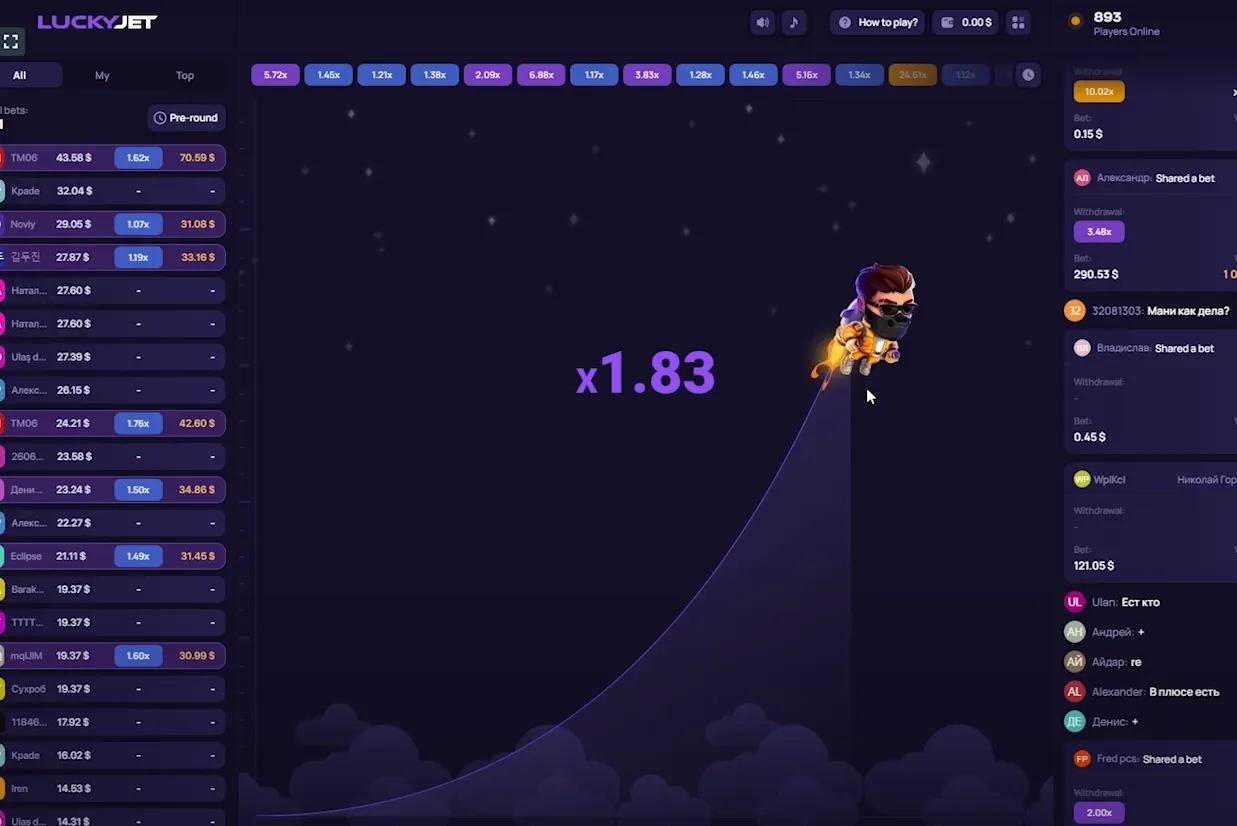
What occurs when you introduce ancient Buddhist ideas into a current online game like Lucky Jet? It may seem like an strange pairing flytakeair.com. The game is fast, digital, and built on chance. Buddhist path is often measured, contemplative, and concentrated on inner peace. Yet, this very juxtaposition is what makes the experiment interesting. We can apply principles like mindfulness and non-attachment not to convert gaming into a monastery, but to establish a more harmonious and enjoyable way to play. This perspective shifts the attention from just chasing wins to being mindful with the process itself, which can build resilience whether the jet rises or descends.
The Meeting of Awareness and Play
Mindfulness is about paying full attention to the here and now. In Lucky Jet, that means following the round as it occurs. Instead of thinking about your last cash-out or concerned about the next bet, you can center on the screen. Watch the jet climb. Track the multiplier increase. Sense your own reactions without letting them take over. This kind of awareness does two things. It makes the game’s visuals and tension more striking. It also acts as an anchor. When you are present, you are less likely to make a frantic, spontaneous bet after a loss. You can determine when to cash out with a sharper head, which results in a more relaxed session.
Accepting Change with Anicca
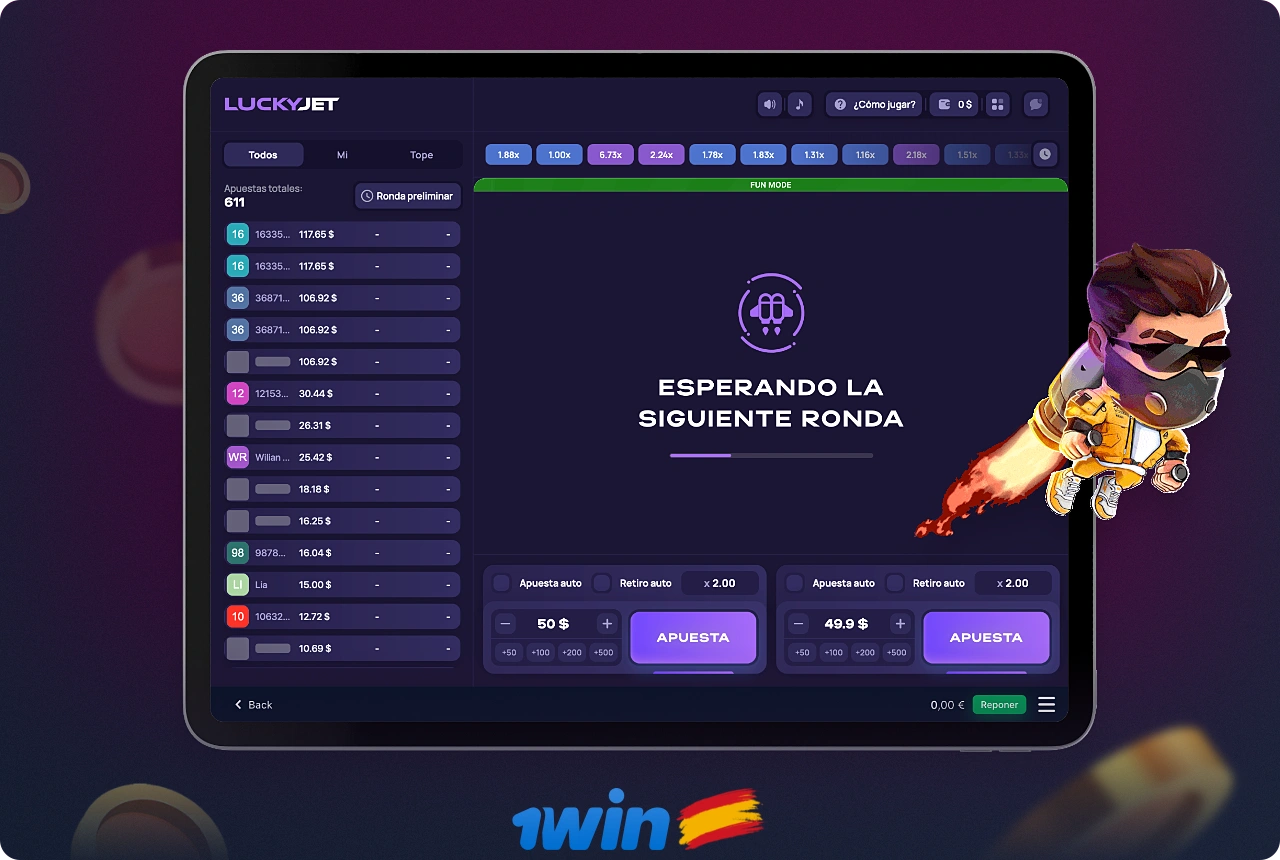
Anicca is the Buddhist doctrine that everything changes. Nothing remains. Lucky Jet is a perfect, minute-by-minute lesson in this fact. Every single game follows the same arc. The jet launches, it flies further, and it inevitably, eventually, falls. A hot streak ends. A run of bad luck fades. When you really comprehend that all results are temporary, your relationship with the game’s fluctuation shifts. You can appreciate the short rush of the ascent, knowing the summit is fleeting. This perspective smooths the sharp sides of thrill and frustration. The conclusion becomes just another instance in the game’s ongoing stream, not a measurement of your evening.
Releasing Through Non-Attachment
Detachment is often mixed up with apathy. It is not about not caring. It is about caring without clutching. In Lucky Jet, clinging looks like focusing on a specific multiplier, say 50x, and becoming distressed every time you miss it. It looks like making frantic efforts to recoup what you just lost. This holding on creates strain and can lead you into impulsive decisions. Cultivating non-attachment means you put your stake with optimism, but you consciously open your hand the moment the jet launches. You acknowledge that the path is unknown. This psychological letting go fosters a more carefree, more lighthearted attitude. Your pleasure comes from engaging with the excitement, not from a need for a specific outcome. It protects your peace of mind.
Responsible Play and Ethical Living
Buddhist ethics highlight causing no harm. Concepts like Right Action prompt us to examine the effects of our behavior. Applying this to gaming means playing responsibly. It means seeing Lucky Jet as bought enjoyment, like buying a cinema ticket, not as a job or an investment. The ethical approach commences before the game loads. You establish a firm budget and a time limit. You stick to them. This is a commitment to your own well-being. It ensures the game stays a fun part of a balanced life, not a source of stress or regret. This mindful foundation helps prevent the downsides of excessive play and aligns your leisure with a sense of personal care.
Building Equanimity in Volatility
Equanimity, or Upekkha, is a form of balance. It is about staying steady when things go well or poorly. Lucky Jet, with its rapid wins and losses, is a practice gym for this quality. The aim is not to become a robot. It is to prevent being thrown into greed by a win or into despair by a loss. You practice by noticing these reactions in your body. A win brings a buzz; a loss brings a sink. You accept the feeling, but you do not let it decide your next move. Over time, this builds emotional resilience. Your inner calm becomes less based on the digital jet’s path. This steadiness makes the entire experience more sustainable and, ironically, more fun.
Concrete Steps for a Conscious Gaming Session
How do you practically do this? You do not have to meditate for an hour first. Small, purposeful changes can transform your play. Begin by defining a simple intention. Tell yourself, “I will stay conscious of my state,” or “I will follow my limits.” The point is consistency. Trying just one of these steps can shift how you experience the game. These habits establish a space where the energy of the game and your own health can co-exist.
- Start with a Breath: Before hitting “Play,” take three conscious breaths to anchor yourself in the current moment.
- Set Pre-Defined Limits: Decide on a strict time and budget limit in advance, and respect it as a discipline of non-attachment.
- Observe Without Judging: During play, occasionally check in with your body and emotions. Are you anxious? Energized? Just observe.
- Practice “Letting Go” Clicks: When you make a bet, intentionally release the outcome in your mind as the jet ascends.
- Reflect Briefly: After your session, take a minute reflecting. How was your equanimity? What did you notice?
The Way of the Mindful Gamer
Examining Lucky Jet through a Buddhist lens prompts a more conscious kind of play. This path does not diminish fun. It can deepen it by adding awareness. You could realize the real game is not just the multiplier on the screen, but how you handle your own reactions. This converts gaming from a passive activity into an active practice. You learn to watch your mind. The calm you cultivate during your session can extend into other parts of your day. By blending the game’s thrill with timeless principles, you build a healthier relationship with digital entertainment. You transform into the mindful pilot of your own experience, regardless of where the jet flies.
FAQ
Is applying Buddhist principles suggest I shouldn’t attempt to win?
No. The goal is to alter your core priority. You can always desire to win and organize your bets. But you approach it from a state of balance, not from a intense craving. Non-attachment invites you to let go of your urgent need for one particular outcome. This can truly free your head for sharper decisions. Savor the chase, but welcome the result.
How might I cultivate mindfulness during such a quick game?
Start with the small pauses the game provides you. Employ the moment before the jet launches. Utilize the moment after you collect. In that small window, sense your chair, or observe one inhale and breath out. You are not seeking for deep meditation. You are just breaking out of autopilot for a moment. These tiny checkpoints can assist you regroup and keep in tune to what is truly happening.
Is establishing loss limits really a Buddhist concept?
It corresponds closely with Buddhist ethics. The principle of “Ahimsa” signifies to cause no harm. Defining a loss limit is an action of preventing harm to you, both financially and psychologically. It is a applied use of wisdom. You accept luck is impermanent, and you safeguard your well-being. That turns a responsible gaming tool into a conscious practice.
Can these ideas help with frustration after a loss?
Indeed. The teaching on impermanence tells you the loss is a passing event, not who you are. Applying equanimity involves you face the frustration with observation. You recognize the feeling in your chest or your thoughts. By recognizing it without feeding it, you give it space to fade. This lessens the suffering and allows you return to neutral faster.
Must I be to be a Buddhist to gain from this approach?
Not at all. These are general tools for mental management, presented in Buddhist terms. Notions like mindfulness, emotional balance, and responsible play are helpful for anyone. Consider them as mental fitness exercises you can utilize to your gaming hobby. They can increase enjoyment and decrease stress, with no religious belief required.
Why is non-attachment vary from not caring?
This difference is key. Not caring is apathy. You are bored and disengaged. Non-attachment is full engagement with an open hand. You enjoy playing, you sense the excitement, but you do not tie your inner peace to the result. You place your attention, not your sanity. This enables passionate play without the misery that comes from clinging.
Can this mindful approach be applied to other casino-style games?
Undoubtedly. These principles apply anywhere you find randomness, volatility, and psychological cues. Every rapid game with rapid rounds is an environment to develop mindfulness, watch impermanence, and foster equanimity. The central practice remains the same. You bring conscious awareness and a balanced mind to your interaction. This can transform a potential trigger of stress into a field for mindful engagement.